Orange Flower Embroidery Design: A Designer’s Honest Review for Real Projects
First Impressions: Cheerful, Simple, and Versatile
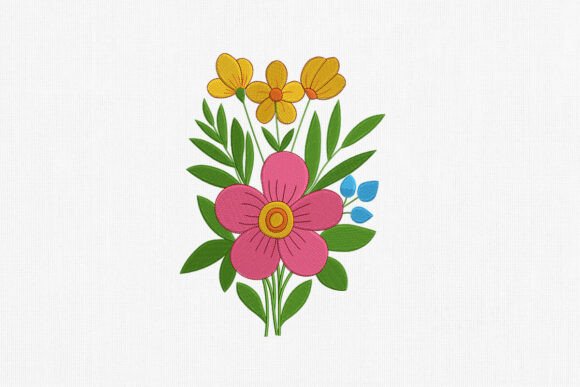
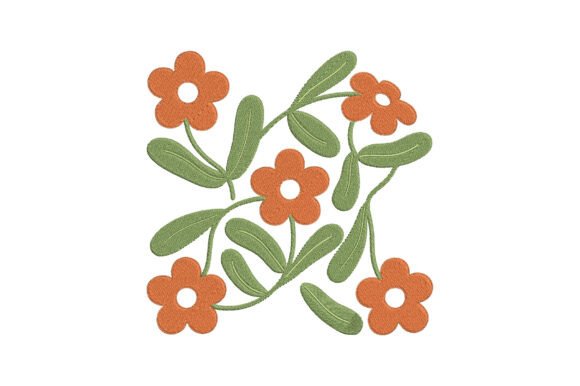
The Orange Flower Embroidery Design immediately caught my eye with its clean lines and warm color palette. It’s a bouquet-style design, but not overly romantic or fussy. The simple orange flowers paired with soft green leaves make it feel approachable and fresh. It doesn’t scream “spring” so loudly that it’s seasonal only—this one could work year-round depending on the project.
From a design standpoint, the layout is balanced. The flowers aren’t too clustered, and there’s enough negative space to let the design breathe. It gives off a casual, hand-drawn vibe that feels handmade without being too loose or unprofessional. That’s a big win for Etsy sellers and small shop owners who want to maintain quality while keeping a personal touch.
Real-World Use: Where Does It Shine?
I tested this design on a few different mockups to see how it would perform in real-life scenarios. I stitched it onto a cotton tote bag, a baby onesie, and a linen pillow cover. The results were surprisingly consistent—especially for a design that’s not overly complex.
- Custom Apparel: On a lightweight sweatshirt, the Orange Flower Embroidery Design added a subtle pop of color without overwhelming the garment. It worked well on the chest and sleeve areas.
- Baby Embroidery: Applied to a onesie, the softness of the green leaves balanced the bright orange nicely. It felt playful but not garish—perfect for a boutique baby gift line.
- Tote Bags & Tea Towels: These were my favorite uses. The floral design added a handmade, artisanal feel that Etsy shoppers tend to respond well to. Paired with earthy tones or neutral backgrounds, it looked intentional and elevated.
It also scaled well for different hoop sizes. I tried a smaller version on a cap and a larger format on a patch. Both held up, though the smaller version did lose a bit of detail in the leaf veins. More on that later.
Where to Use It Carefully
This design is charming, but like any embroidery file, it has its limitations. Here are a few situations where I’d approach with caution:
- Dark Fabrics: The orange doesn’t pop as much on black or navy unless you adjust thread colors. A mockup in black fabric looked a bit muted.
- Stretchy Fabrics: I wouldn’t recommend it for performance wear or spandex unless you stabilize it properly. The satin stitches can pucker slightly on stretchy materials.
- Curved Surfaces: Caps and curved bags may require extra hoop positioning to avoid distortion in the flower shape.
- Layered Garments: If you’re embroidering through multiple fabric layers (like a quilted baby blanket), test on scrap first. The density of the fill stitches may create bulk.
Design Impact: Visual Appeal and Business Value
One of the biggest questions I ask when evaluating an embroidery file is: will this elevate the product and justify the effort? With the Orange Flower Embroidery Design, the answer is mostly yes.
It brings a sense of warmth and approachability to finished products. For a craft business, that translates into better customer engagement—especially if you're selling personalized gifts or boutique items. People respond to floral motifs that feel natural, not overly stylized. This design walks that line well.
From a branding perspective, it could easily become part of a cohesive product line. Whether you're creating a line of embroidered tea towels or custom baby gifts, this design maintains a consistent visual identity. That helps build recognition and trust with buyers.
Practical Designer Notes: What to Test Before You Stitch
Here are a few things I always check before committing to a design like this:
- Test on Scrap Fabric: Always test the design on the same type of fabric you’ll use for the final product. This helps catch issues with stitch density or distortion early.
- Check Thread Color Contrast: If you’re using dark or textured fabric, test different orange and green thread options to ensure visibility.
- Review Stitch Density: The fill stitches are tight enough to look solid but not so dense that they cause puckering.
- Confirm Hoop Size: Make sure the design fits your machine’s hoop. If you’re resizing, watch for detail loss, especially in the leaf veins.
- Use Proper Stabilizer: For soft fabrics like baby onesies or stretchy materials, use a medium-weight tear-away or cut-away stabilizer.
- Check Licensing: If you’re selling finished items or digital embroidery files, confirm the licensing terms. Some designs restrict commercial use unless upgraded.
Final Thoughts: Worth the Stitch Time?
Absolutely. The Orange Flower Embroidery Design is a solid addition to any embroidery project that needs a touch of warmth and simplicity. It’s not overly trendy, which makes it more timeless for small businesses and crafters who want to reuse designs across seasons.
It works best when paired with natural fabrics and minimalist product styles. Think linen, cotton, and light denim. Avoid overly busy backgrounds or competing patterns—it’s a design that benefits from breathing room.
If you’re an Etsy seller, boutique owner, or hobbyist looking for a floral machine embroidery design that’s versatile and easy to work with, this one is definitely worth testing. Just remember to run a few samples first and consider how it will look in different contexts before launching a full product line.