Camp Life Camping Embroidery Design: A Designer’s Real-World Review
First Impressions: Whimsical Yet Grounded in Practicality
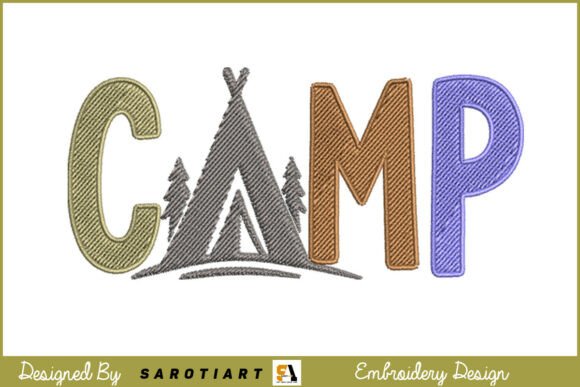
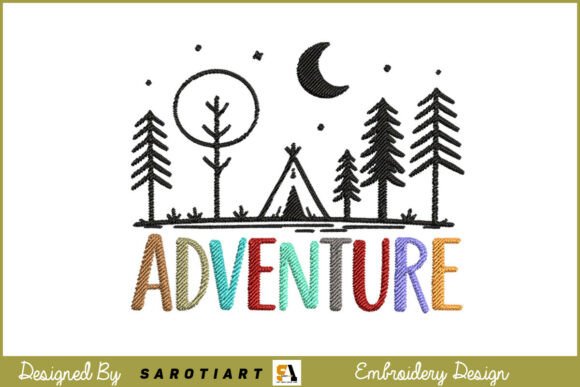
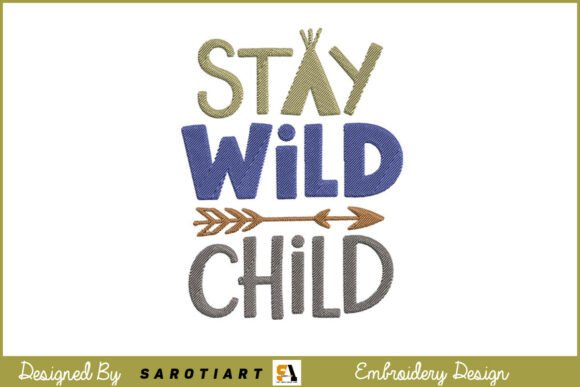
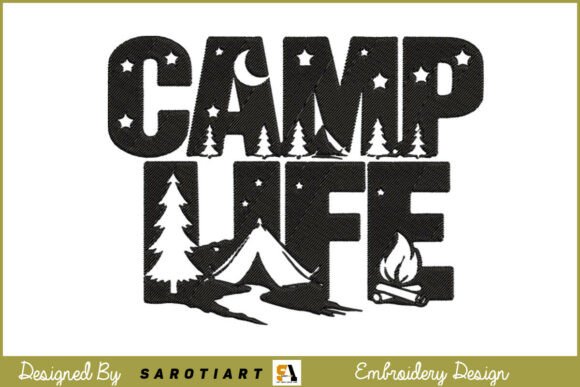
The Camp Life Camping Embroidery Design immediately caught my eye with its charming line art aesthetic and warm, nostalgic vibe. It feels like a gentle invitation to the great outdoors—perfect for those who want to bring a touch of nature and adventure into their embroidery work. The design’s simplicity gives it a versatile personality, making it easy to imagine stitched onto a wide variety of items, from kids’ apparel to boutique tote bags.
As a designer who frequently works with embroidery files for both personal and commercial projects, I appreciate how the layout balances detail without overcomplicating the stitch path. The line art style suggests a clean, efficient embroidery file that should stitch out smoothly on most machines, especially when using the right stabilizer and thread colors.
Real-World Application: From Tote Bags to Baby Clothes
I recently tested the Camp Life Camping Embroidery Design while creating a custom embroidered tote bag for a small shop client. The design was stitched onto a medium-weight cotton canvas with a standard cutaway stabilizer. The result was clean, with crisp lines and no noticeable distortion. It held up well even after light washing, which is always a concern with line art embroidery that can be more delicate.
When I used the same design on a baby onesie, I opted for a lightweight tear-away stabilizer and a soft embroidery thread to prevent irritation. The design scaled down nicely, maintaining its character without becoming too busy or losing clarity. It looked sweet and understated—just right for a personalized gift or Etsy listing aimed at outdoor-loving parents.
Where It Shines: Versatility Meets Visual Appeal
One of the standout qualities of this machine embroidery design is how well it complements a variety of products without overpowering them. Whether stitched onto a sweatshirt for a cozy outdoor-themed gift or added to a linen pillow cover for rustic nursery decor, the Camp Life Camping Embroidery Design enhances the item’s visual appeal without demanding too much attention.
For craft business owners and Etsy sellers, this kind of balance is crucial. The design has enough personality to stand out in a product photo but isn’t so bold that it limits your target audience. It’s especially well-suited for seasonal listings—think spring camping gear, summer festival tote bags, or personalized holiday gifts with a nature twist.
Watch These Areas: Practical Considerations for Embroidery Designers
While the design performs well in most scenarios, there are a few areas to approach with care. On stretchy fabrics like cotton jersey or performance blends, the design’s fine lines can distort slightly if not properly stabilized. I recommend using a lightweight fusible stabilizer or topping to preserve the integrity of the line art.
Dark fabric backgrounds can also be tricky. Since the Camp Life Camping Embroidery Design relies on subtle lines rather than heavy fills, some details may blend in or disappear. A quick black and white mockup can help visualize placement and contrast before stitching.
When applying this design to curved surfaces like baseball caps or small hoop sizes, be sure to test the file first. The corners and fine elements may not stitch out as crisply in tighter spaces, which could affect the overall presentation of your finished product.
Stitching Clarity and Product Value
From a technical standpoint, the Camp Life Camping Embroidery Design holds up well under scrutiny. The stitch path is logical and efficient, which helps reduce thread breaks and tension issues during embroidery. I didn’t notice any problematic satin stitch areas or overly dense fill sections that could cause puckering.
For small shop owners and crafters selling embroidered goods, clarity and professionalism matter. This design reads as clean and intentional—two qualities that elevate the perceived value of handmade items. Customers are more likely to trust and purchase products that look polished and thoughtfully made, and this embroidery file supports that goal.
Design Notes Every Embroidery Professional Should Consider
- Test on scrap fabric first—especially if you’re using a new stabilizer or fabric type.
- Check thread color contrast to ensure the design’s fine lines remain visible after stitching.
- Review stitch density to avoid puckering on lightweight or stretchy materials.
- Confirm hoop size compatibility before stitching on small or curved surfaces.
- Inspect small details like tips of branches or the edges of tents to ensure they stitch cleanly.
- Test in black and white mockups to evaluate contrast and placement accuracy.
- Compare light and dark fabric backgrounds to see how the design adapts visually.
- Use proper stabilizer based on the fabric type and garment use.
- Check licensing before selling finished items or including the design in digital product bundles.
Final Thoughts: A Dependable Design for Real Projects
As someone who regularly evaluates embroidery files for real-world use, I found the Camp Life Camping Embroidery Design to be a reliable, adaptable choice for a range of projects. It stitches cleanly, adapts well to different products, and maintains a cohesive look across both personal and commercial applications.
Whether you’re creating a custom embroidered sweatshirt for a boutique brand or designing a personalized gift for a nature-loving client, this embroidery file offers a strong foundation. It’s a smart addition to any craft business’s design assets, especially if you’re aiming for a clean, modern line art style that feels both timeless and on-trend.